


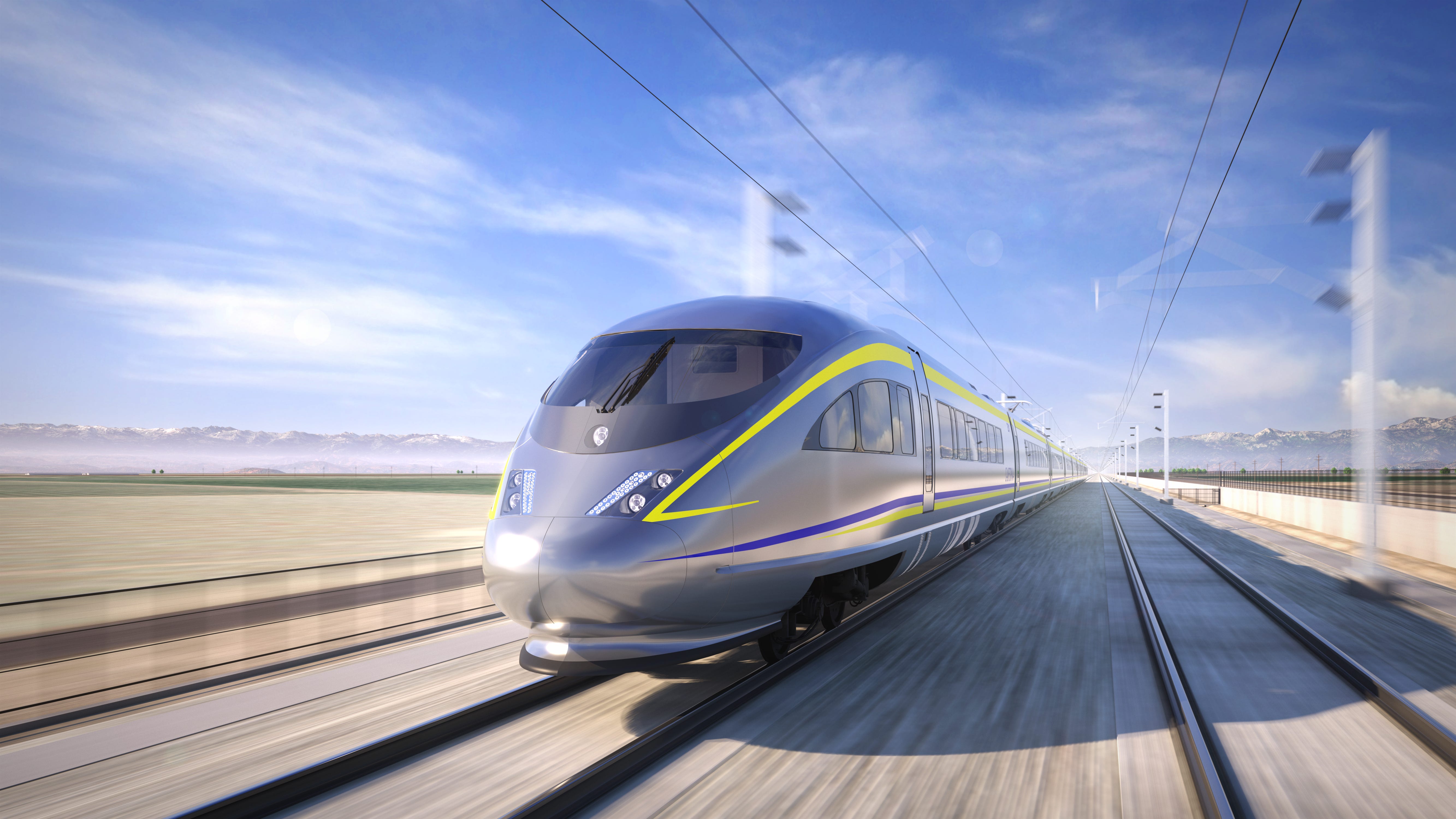
The California High-Speed Rail Inspector General’s review of the California High-Speed Rail Authority’s 2026 Business Plan, released late last month, highlighted significant concerns regarding the new business plan’s reporting practices and disclosure of costs. While the report acknowledged that the Authority has substantially improved the completeness of the final business plan after deficiencies were identified in an earlier draft, it concluded that important gaps remain in transparently communicating changes to project costs and timelines that could undermine public confidence.
From the perspective of the Rail Passengers Association, the Inspector General’s findings reinforce a principle that passenger rail advocates have long championed: transportation investments succeed when they are paired with rigorous oversight, accurate reporting, and public accountability. The IG, however, seemed to overemphasize opportunities for community engagement, which a growing body of evidence suggests impedes the speedy, cost-effective delivery of infrastructure. Rather, we believe the goal should be to create an administrative structure with clearly defined goals, a multi-year mandate to achieve those goals, and mechanisms for ensuring accountability.
The IG’s report highlighted several key critiques, including:
That the Authority did not fully explain changes in the scope and cost of the Merced-to-Bakersfield (M-B) segment, making it difficult for policymakers and the public to compare current estimates with previous projections;
That key costs of the M-B segment—including financing costs, contingency funding, construction costs the Authority assumes other entities will pay, and costs associated with existing local agreements that the Authority assumes it will be able to modify—were excluded from the primary project estimate;
The failure to adequately communicate that a risk-based analysis suggests the project’s schedule window may extend to September 2034, extending beyond the previous 2032-2033 window; and
That the business plan failed to adequately emphasize that existing funding resources could be exhausted as early as December 2027 without additional financing.
It is hard to place too much blame on the Authority for the last point. Successful rail programs around the world depend on transparent reporting, realistic cost estimates, and candid assessment of risks. Just as important to that success, however, is predictable and reliable public funding for those projects. The current situation—where important voices in California’s state legislature have tried to kill the project since voters first approved it, where it’s impossible to predict when and if federal funding will be available, where the federal funding that has been approved is regularly clawed back after the White House changes hands—is bound to lead to political instability, longer project development timelines, and higher costs. While the Authority should clearly communicate the length of its funding runway, it shouldn’t have to overemphasize what will be obvious to anyone paying attention.
California’s high-speed rail project remains the nation’s most ambitious passenger rail initiative and a critical step toward bringing true high-speed rail to the United States. Ultimately, improving transparency and accountability will help build the public trust and legislative support necessary to deliver this project for Californians, while also advancing the broader goal of modern passenger rail throughout the United States.
Congress has a role to play, as well. States must have a productive federal partner; that means predictable, dedicated funding for intercity passenger rail programs—not just highways.
Looking to support passenger trains in America? Join our campaign asking Congress to extend dedicated funding for rail programs!
Once again, the government wasting tax money and covering it up, is causing the public to lose trust in our governments' ability to responsibly spend our money. This project (and most government projects) are over budget and behind schedule and almost nobody in government is concerned about it. It's time for government contracts to hold contractors responsible for cost overruns and penalize contractors for not being able to realistically forecast the time frames on these projects. In most any other business, contractors are expected to deliver on time and at the quoted price. But our governments don't hold contractors/suppliers to the same standards!